Use case: business growth reports

How can we help local businesses grow? In development

MIQ builds a short report on a single business: its competitors, its market, where its visitors may come from and a prioritized plan, reviewed by your staff and delivered in your organization's brand. The business owner never needs a login.

An illustration of a cafe owner and a chamber of commerce staff member looking at a printed report, with map pins linking the cafe to neighboring shops.
IllustrativeIllustration. A chamber prepares and reviews a report; the owner needs no login.
In development

In development. Business growth reports run today in MIQ location intelligence in development and are not yet part of MIQ Studio. The pictures on this page are illustrations, not product output.

Start with one business

Your staff search for a business, confirm it is the right one and let MIQ look at the market around it. MIQ finds similar businesses nearby and shows how many there are and how far away, so the owner sees the competition in the neighborhood and not just the name of one rival.

  • Business identification, with a confirmation step before anything runs
  • Similar businesses by distance, in the same line of work
  • Where competitor counts depend on directory coverage, MIQ says so
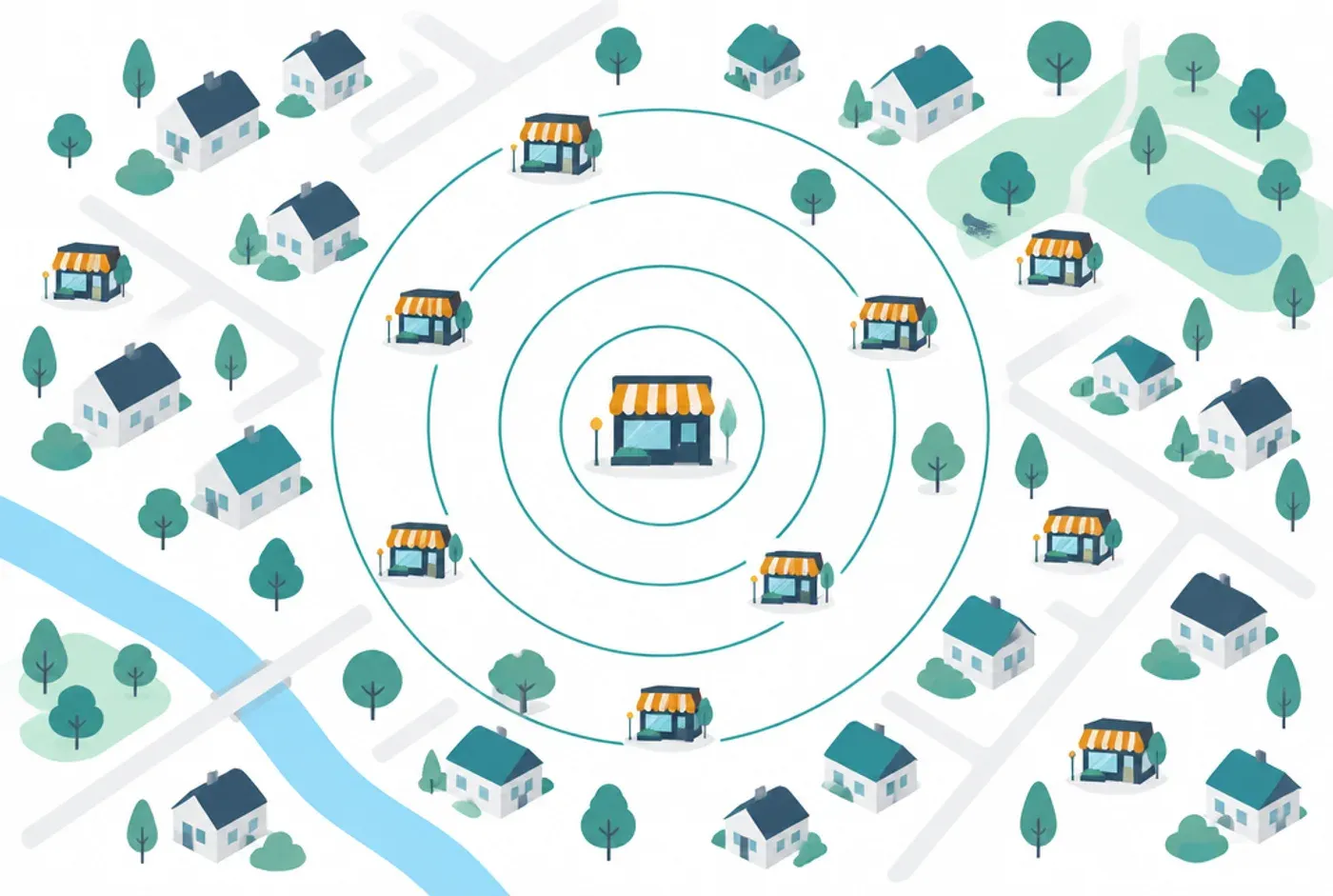
An illustration of one storefront at the center of concentric rings, with similar storefronts and nearby homes around it.
IllustrativeIllustration. A business, the similar businesses near it and the neighborhood it serves. Not product output.

Understand the people around it

MIQ adds the households and workers around the business from official Census data: income, age and the neighborhoods the business can reach. Where visitor-origin estimates are available, it shows where a business's visitors may come from, as a modeled profile for the area and not a count of its customers.

  • Household income and age around the business
  • Modeled visitor origins for the area, where supported
  • Local workforce occupations and wages, from official sources
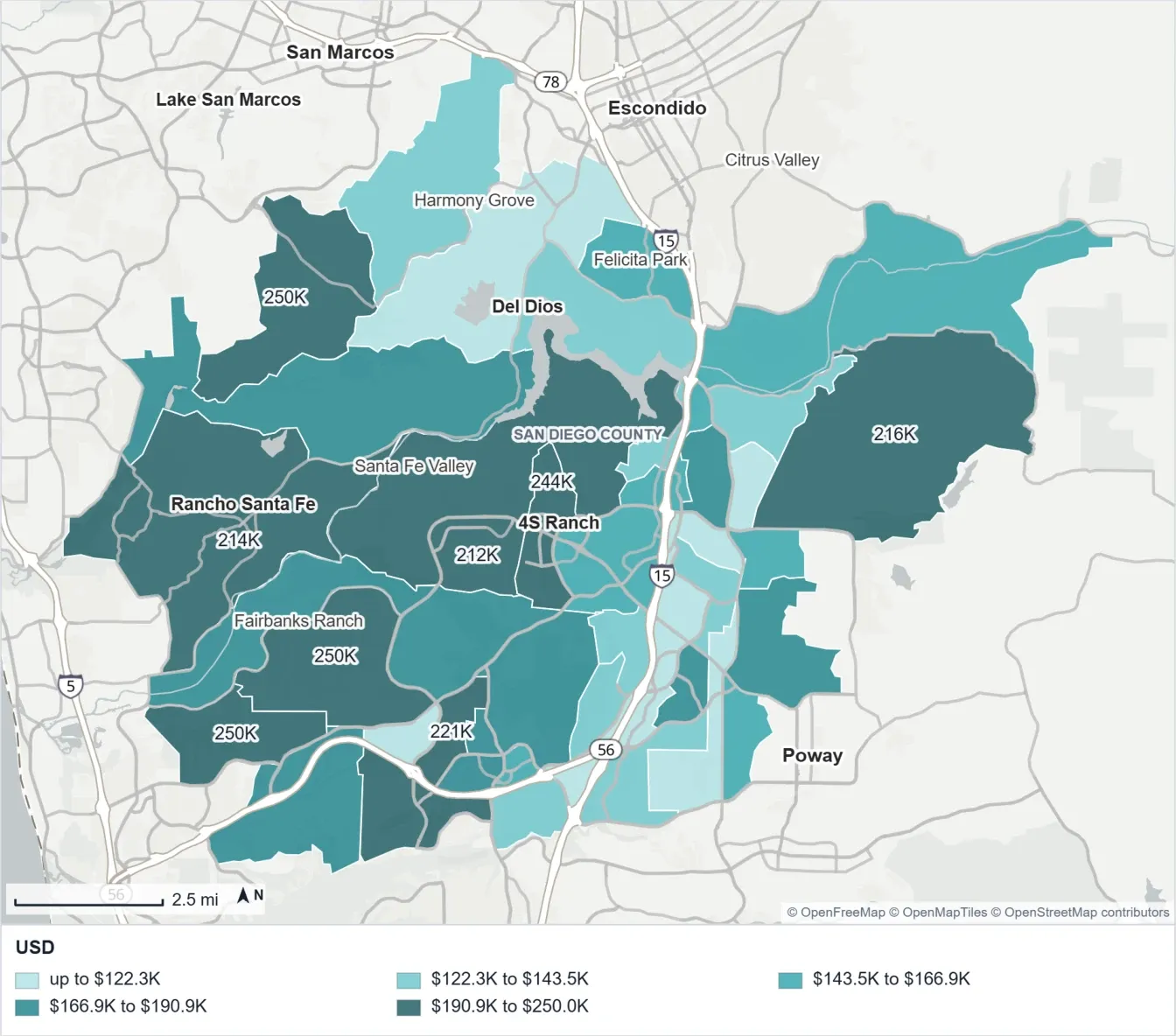
A map of neighborhoods shaded by household income band, with place names and a legend in dollars.
In developmentHousehold income around a business. Census-based map from a report in development.

Find leads worth following up

MIQ lists nearby businesses that might become customers, partners or referral sources, with the reason each was suggested. They are leads for the owner to check, not verified relationships.

  • Potential business-to-business customers and referral partners
  • Businesses that complement the one being studied
  • A prospect list the owner can work through

See how the business shows up online

MIQ checks how the business appears in local search and listings and turns the gaps into practical steps: reviews, photos, listing details and who in the business can do each one.

  • Search appearance and listing completeness
  • Review and photo indicators compared with similar businesses
  • Plain-language fixes, each with who can do it
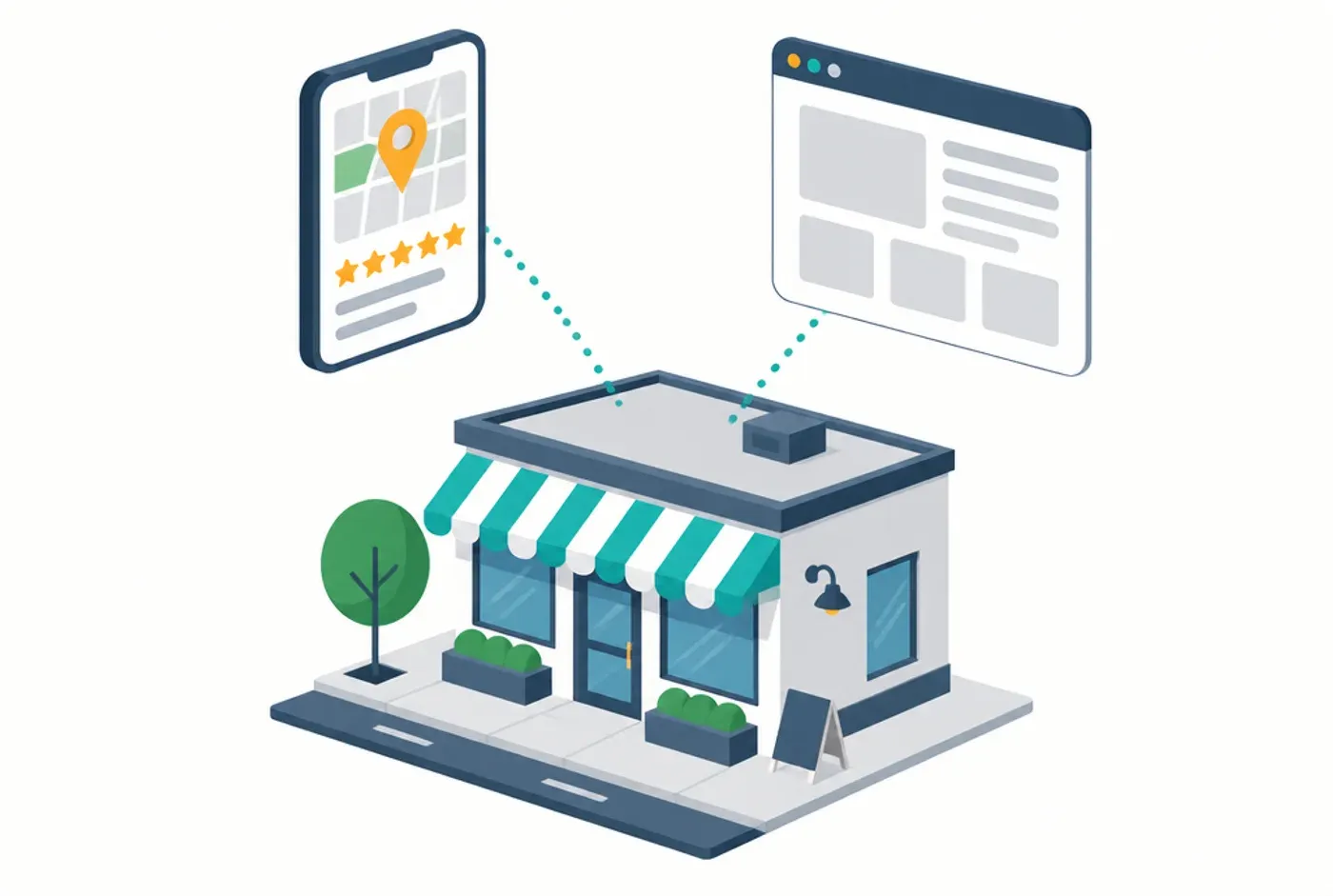
An illustration of a storefront with a phone showing a map pin and a browser window linked to it by dotted lines.
IllustrativeIllustration. A business’s online presence, from listings and reviews to its website. Not product output.

End with a plan the owner can use

The findings become a short plan for the next 30, 60 and 90 days. Each step says what was observed, why it matters, the first thing to do and what the evidence does not show.

  • Three to five priorities, each with a first step and its limits
  • Effort shown for every action
  • Edited by your staff before it reaches the owner
An illustration of a business owner at a desk reading a printed report, with three steps shown beside the window.
IllustrativeIllustration. A report with a short plan for the owner. Not product output.

How an organization delivers a report

  1. Select a business

    Staff search for a local business and confirm it is the right one.

  2. Analyze its market

    MIQ studies the business, its competitors and the area around it.

  3. Compare competitors and activity

    Nearby competitors and available activity indicators are shown side by side.

  4. Understand customers and visitors

    Neighborhood demographics and, where supported, modeled visitor origins.

  5. Identify potential relationships

    Leads for customers, partners and referrals, each with its reasoning.

  6. Evaluate digital visibility

    How the business appears in local search and listings, and what to fix.

  7. Write the recommendations

    MIQ drafts a short plan; your staff review and edit it.

  8. Deliver a branded report

    A Word or PDF report in your organization's name. The owner never needs a login.

What this shows and what it does not

How the work comes together

Every MIQ analysis follows the same path, whatever the question.

  1. The question

    Start with the member's question

    How does this business compare with the businesses around it, and what should it do next?

  2. The evidence

    MIQ gathers the evidence

    Business directories, Census demographics, local wages, modeled area activity and online listings.

  3. The analysis

    It maps and compares

    Competitors on a map, the surrounding market, leads and online visibility.

  4. The interpretation

    It explains what it found

    Plain-language findings and a short plan, each with its evidence and its limits.

  5. The deliverable

    Your staff deliver a report

    A branded Word or PDF report for the owner, reviewed and edited by your team first.

Every use case works the same way.

Every figure carries its source and the period it covers. Where the evidence does not support a conclusion, MIQ says so. You review, verify and own the work before it is published.

How MIQ works

Bring us your version of this question.

We'll work through it with you.